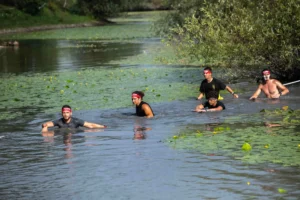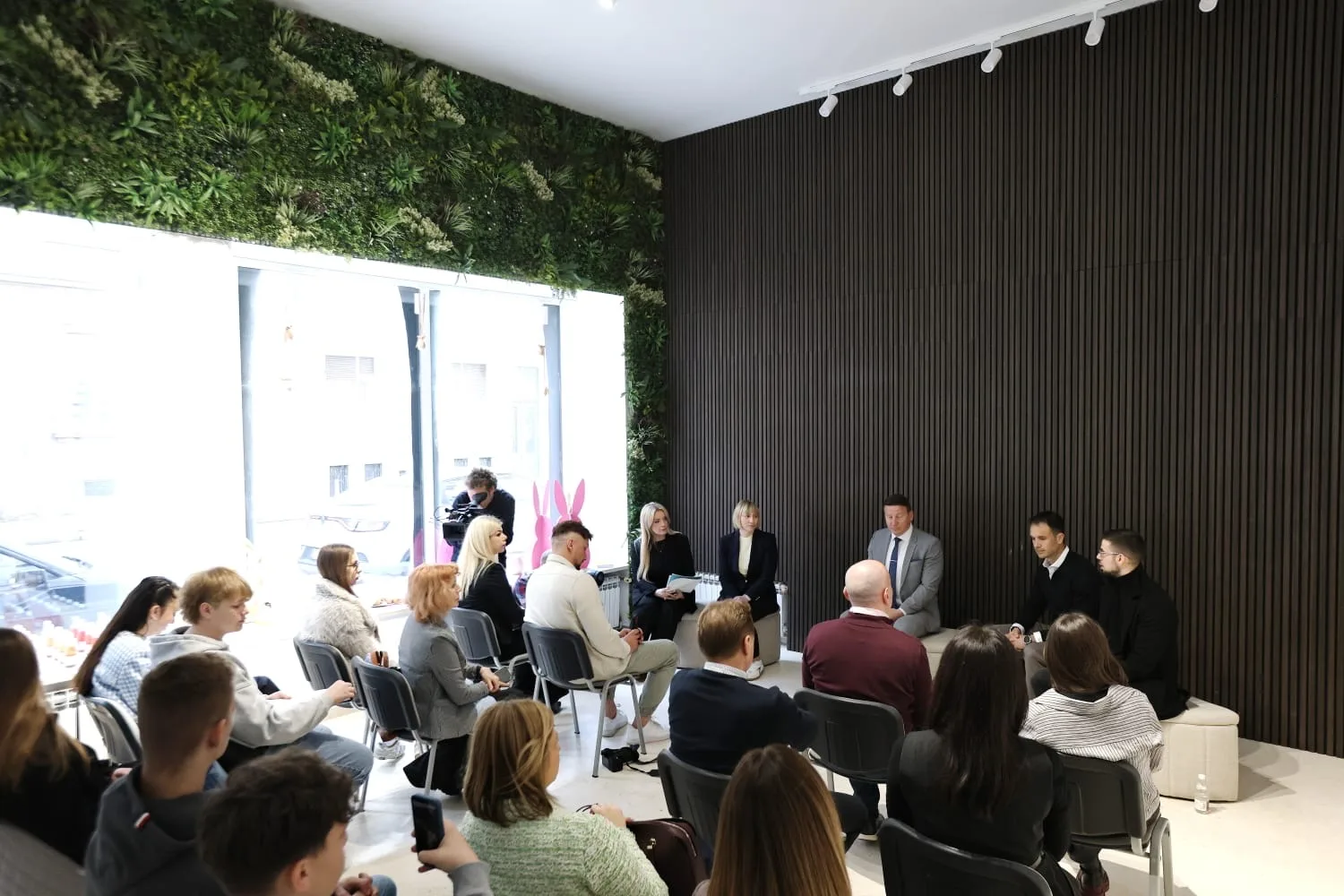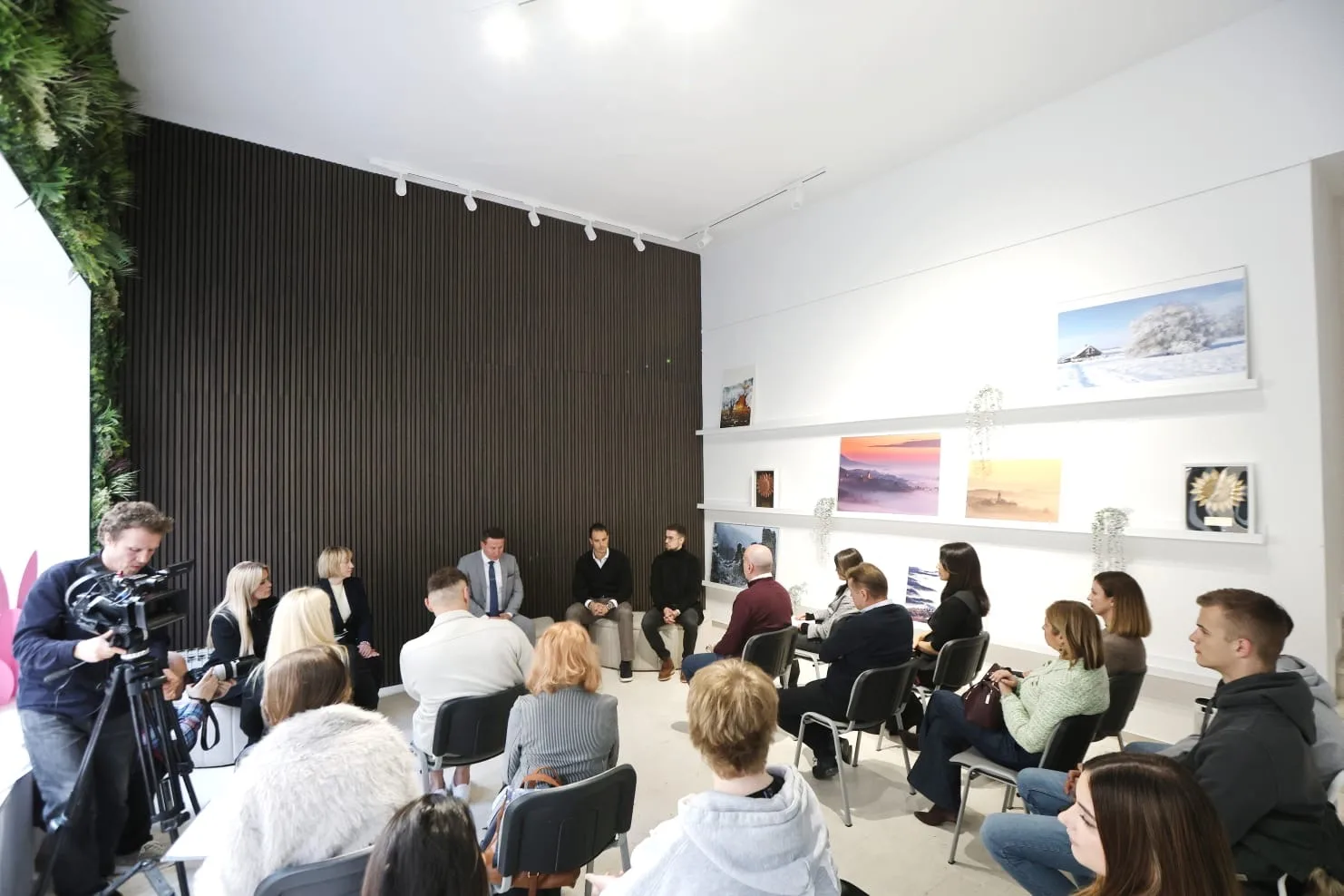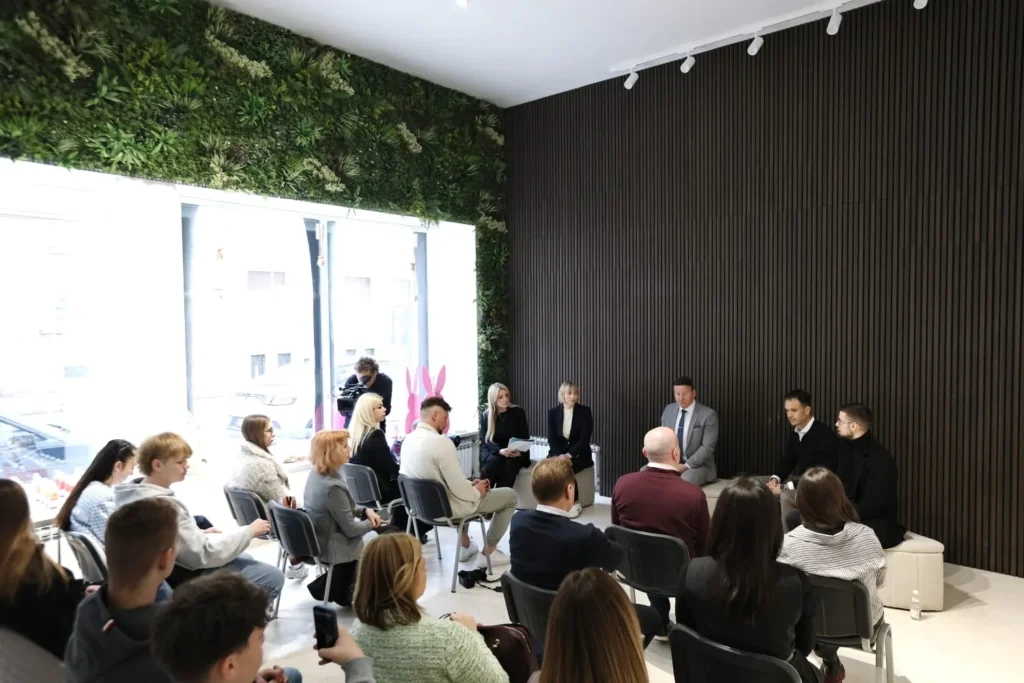
The question of whether sports tourism can evolve beyond a single event and become a strategic destination product was at the heart of the panel discussion “Spartan Trail & Destination Impact: Challenges and Opportunities for Sustainable Tourism Growth.” The panel was held at the Zagreb County Tourist Board's premises, bringing together representatives from the public sector, the tourism sector, and the sports community.
In her opening address, Ivana Alilović, Director of the Zagreb County Tourist Board, emphasised that for continental destinations, sports tourism represents an opportunity to develop a year-round offer and to create authentic experiences that connect nature, outdoor activities, and local identity. “For us, sports tourism is not just an event, but an opportunity to develop a year-round offer, activate space, and create authentic experiences that connect nature, recreation, and local identity,”she stated.
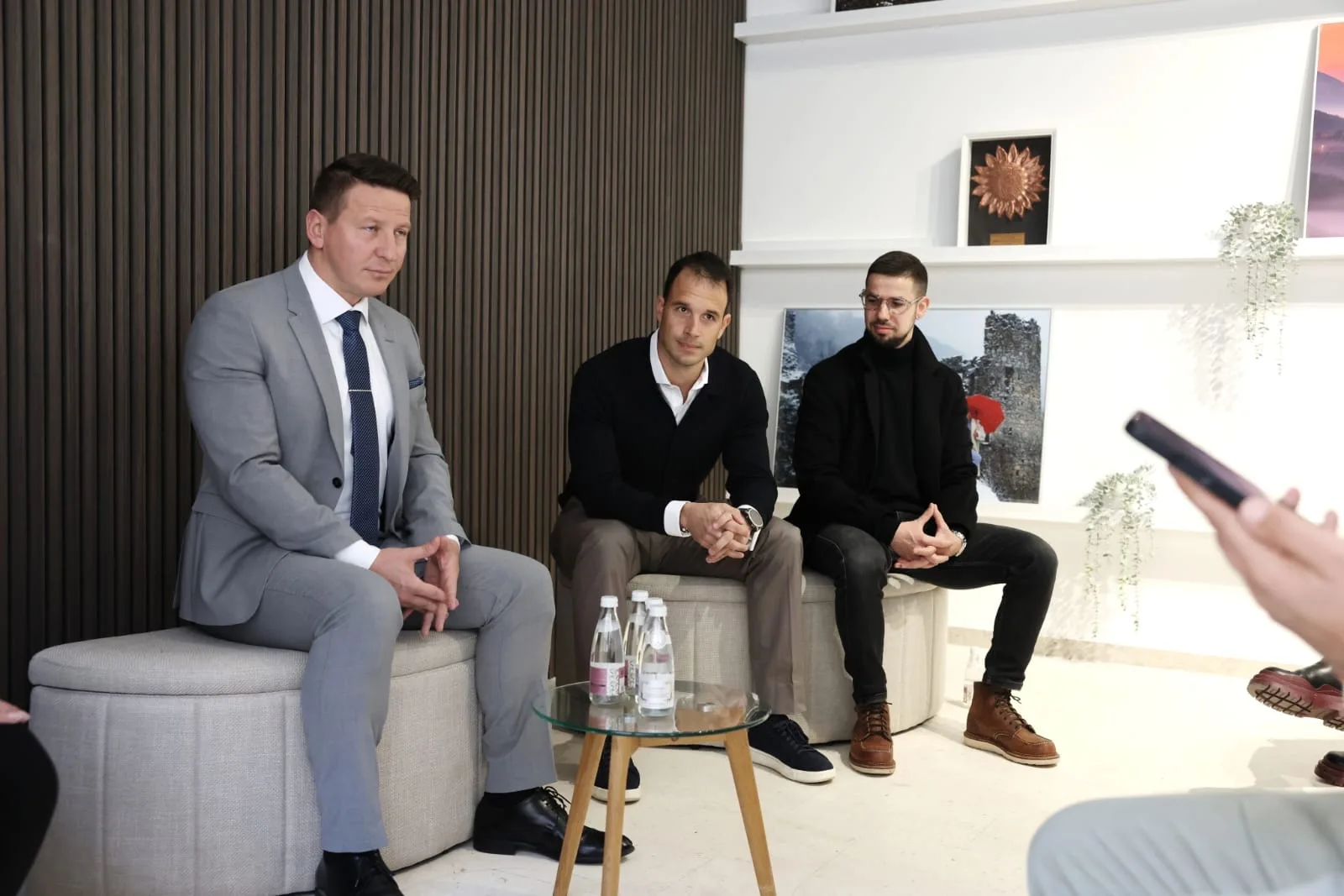
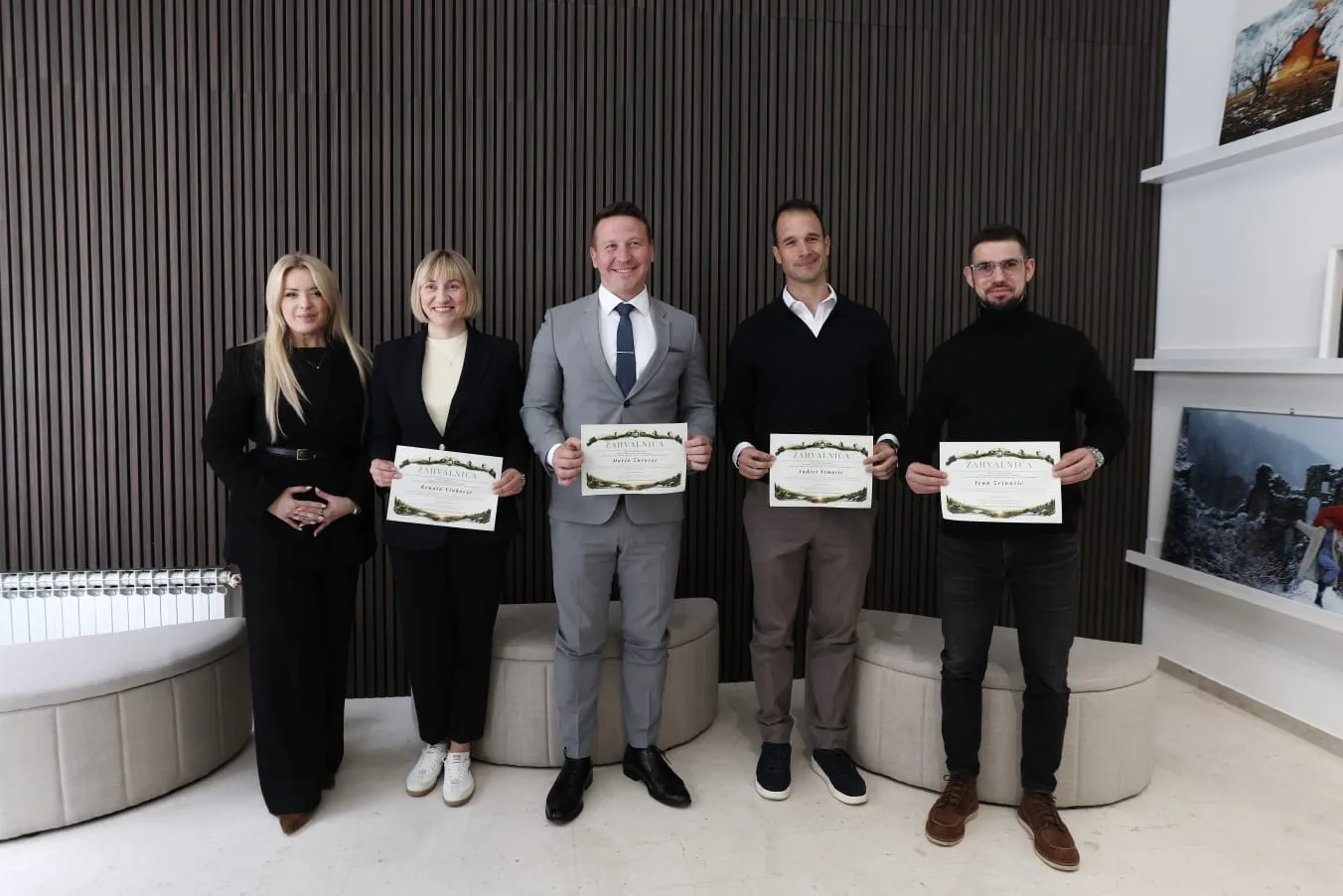
That such development does not depend on a single event, but rather on a broader system of cooperation, was further confirmed by the panel discussion featuring Dario Zurovec, Mayor of Sveta Nedelja and Member of Parliament Renata Vlahović, Director of the Sveta Nedelja Tourist Board, Spartan competitor and founder of the OCR CRO association Andrej Šimatić , organiser of the Spartan race Ivan Zrinušić. From the diverse perspectives presented, it became clear that sports tourism is increasingly viewed not as an isolated event but as a development tool that can enhance destination recognition, activate space, and improve the quality of local offerings.
Speaking about the role of the local community and the public sector, Dario Zurovec highlighted that sports tourism is a tangible development tool that delivers visible results at the local level. “Sveta Nedelja recognised the importance of Spartan and thus set a strong example of investing in clear strategies, infrastructure, and high-quality cooperation between local and national levels. Projects like this not only increase tourist traffic, but also stimulate the economy and enhance the quality of life within the community,” he said. His emphasis on the long-term effects of sports events further raised the question of how prepared cities and institutions are to recognise these initiatives as more than one-day events.
From a destination management perspective, it was stressed that the real challenge does not begin with organising a race, but at the moment when a participant needs to be transformed into a visitor who stays longer and experiences the destination beyond the event itself. In this context, Renata Vlahović raised the question of how to develop sports tourism as part of a long-term strategy, rather than as a project limited to a single event. Connecting the race with the destination’s offer, nature-based experiences, and additional content was highlighted as a key step in creating a comprehensive visitor experience.
The discussion gained additional depth through insights from the sports community, where Andrej Šimatić pointed out that today’s competitors do not choose only a race, but the entire experience that comes with it. Nature, atmosphere, a sense of community, organisation, and the destination's welcome are often decisive factors in whether participants return and recommend it to others. This “experience” is increasingly proving to be a key element of competitiveness in sports tourism.
Part of the discussion also focused on younger generations and the importance of involving children in sports from an early age. It was emphasised that sport is important for children not only for physical activity, but also for developing discipline, self-confidence, healthy habits, perseverance, and a sense of belonging. In this context, special emphasis was placed on the fact that there are no rankings for children under 14, shifting the focus to participation, movement, and a positive experience rather than results. The strong interest in such activities was confirmed by this year’s children’s race, for which all 300 spots were sold out.
From an organisational perspective, it was highlighted that an internationally relevant sports event requires much more than a good idea and an attractive location. As Ivan Zrinušić noted, the difference between an average event and one that leaves a long-term impact on a destination lies in professional execution, logistical preparation, and high-quality cooperation with local partners. The issue of volunteering was also addressed, with the observation that it is becoming increasingly challenging to motivate young people to engage in such projects, even though volunteers often represent the invisible yet essential force behind every major event. In this regard, the importance of local support was particularly emphasised, with Sveta Nedelja and its residents once again proving vital pillars in the organisation and implementation of the race.
Within the broader context of the European market, the discussion also addressed whether Croatia—and particularly its continental regions—can strengthen its position as a safe, accessible, and authentic destination through sports tourism. The conclusion was that the potential undoubtedly exists, but that real progress will depend on how successfully sports events are transformed into systematically developed, sustainable, and market-competitive products.
In conclusion, it was emphasised that true progress in sports tourism depends not only on good organisation, but on the ability to transform a single event into long-term value for the destination and the community.



 EN
EN  HR
HR  DE
DE