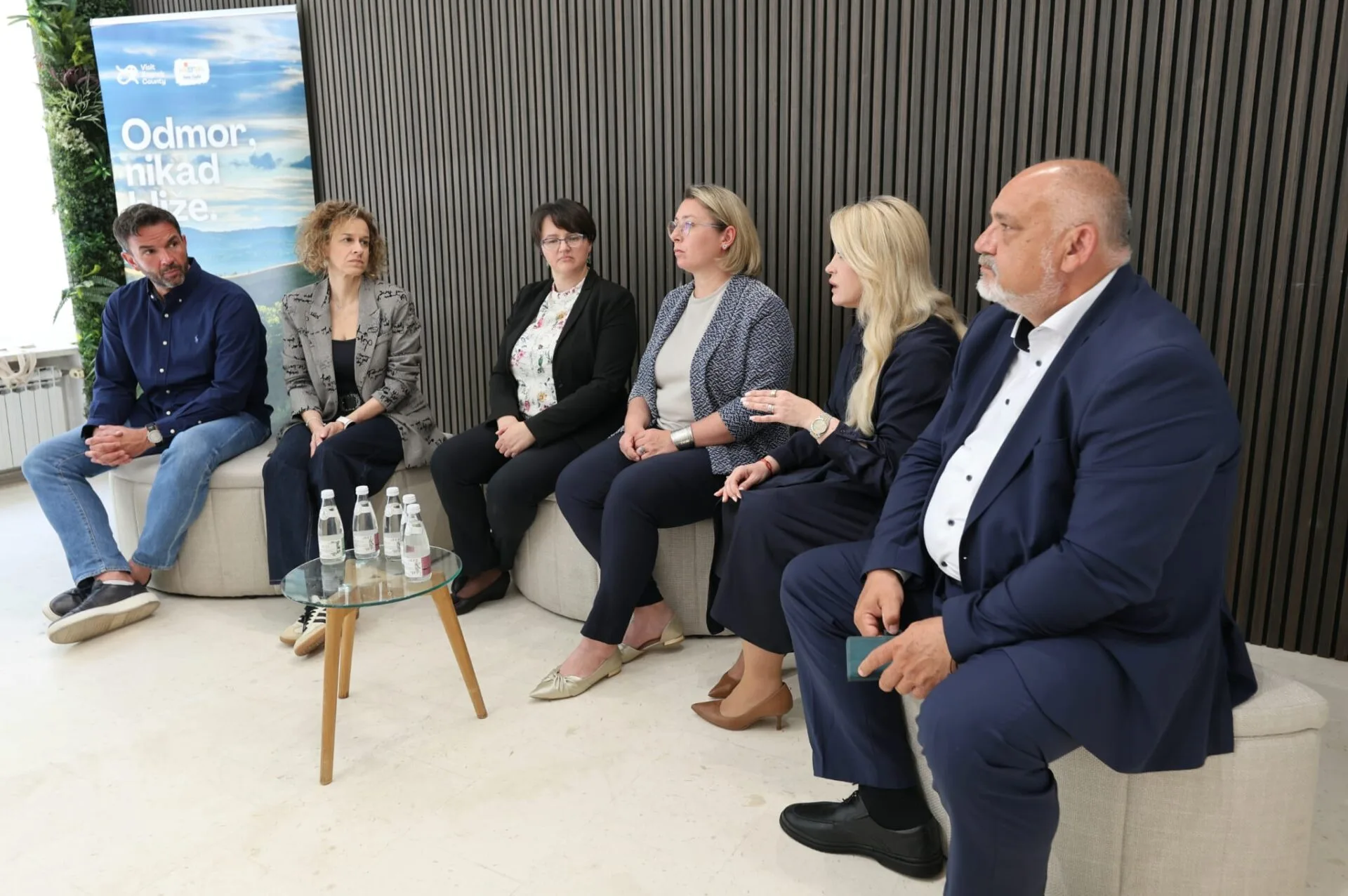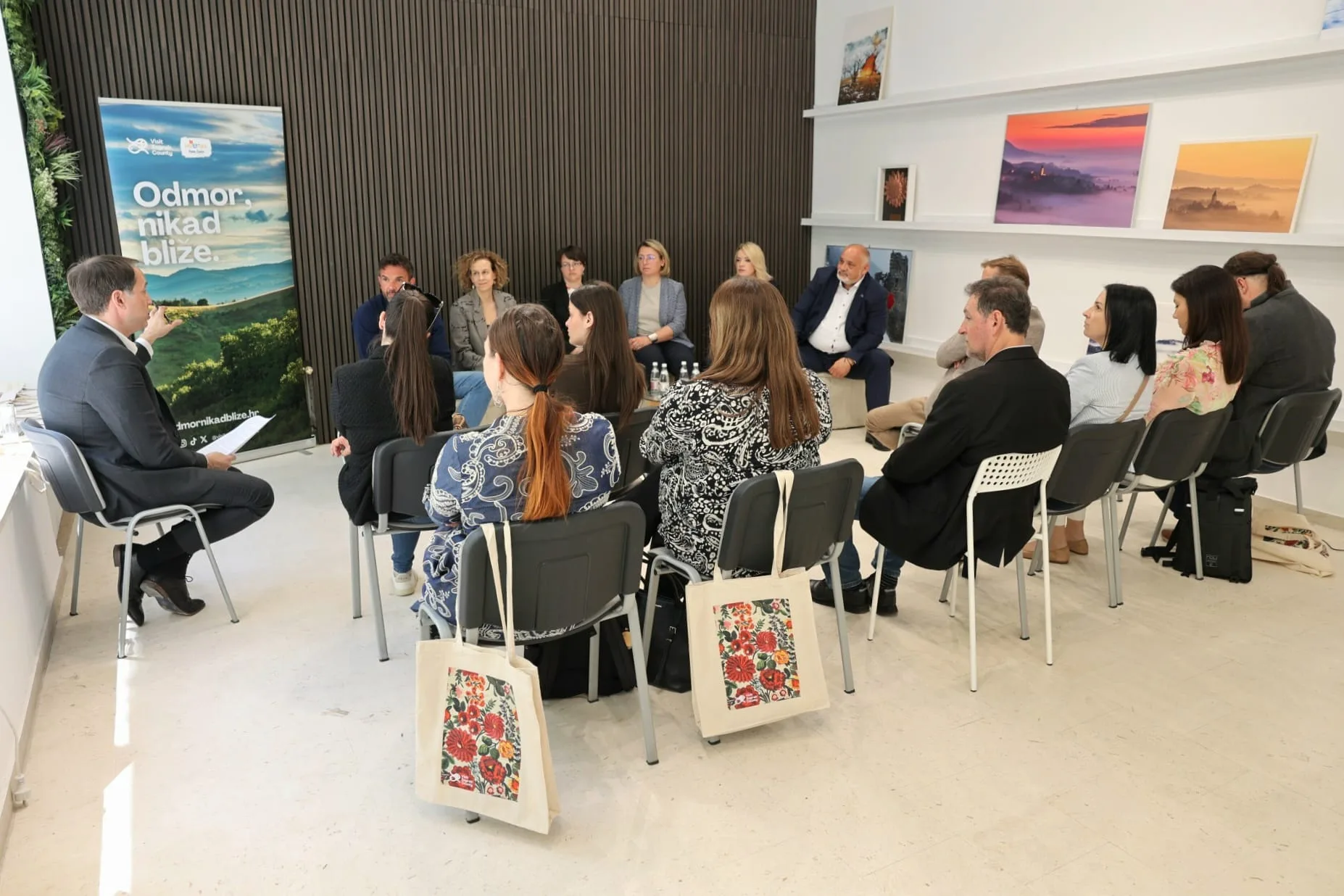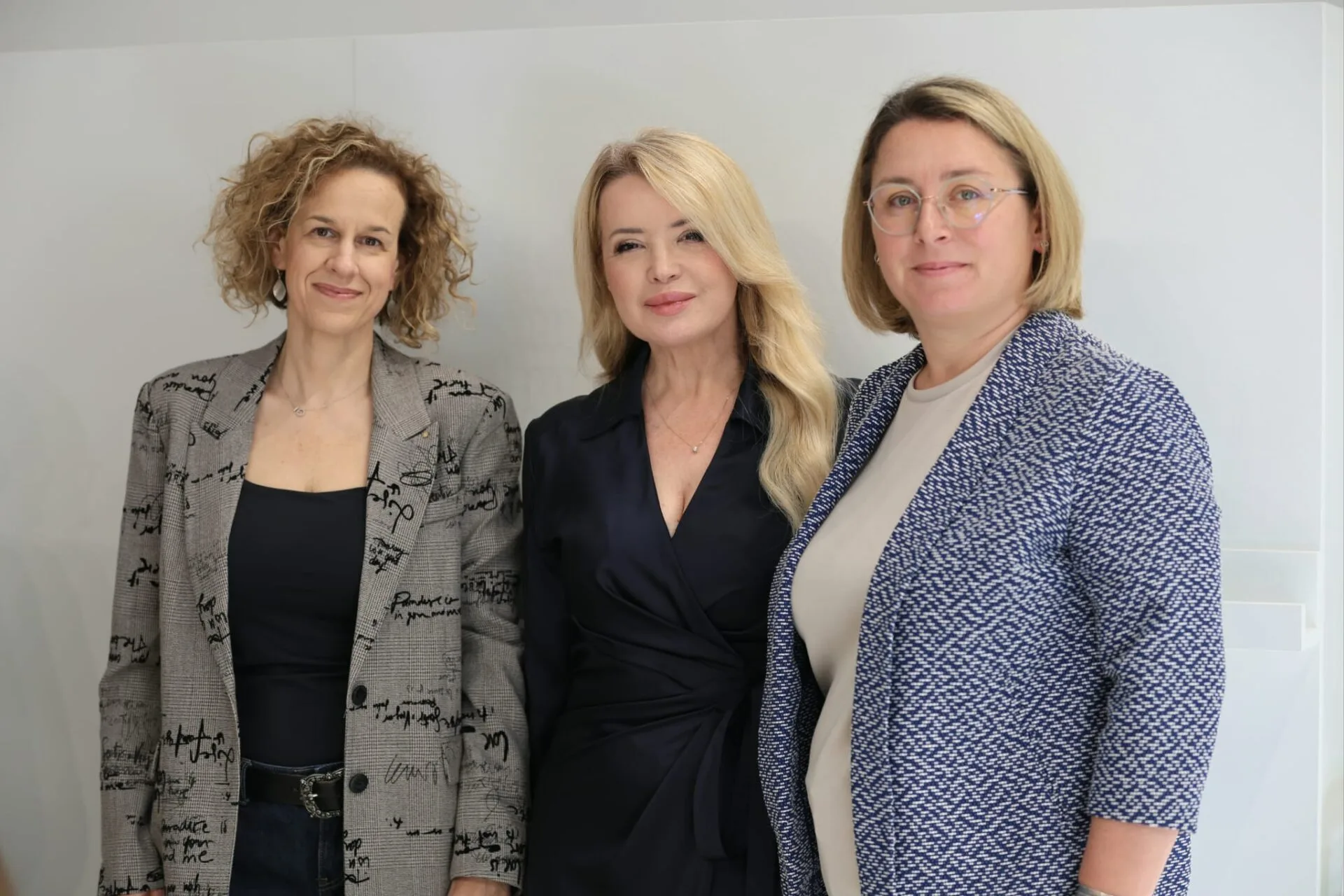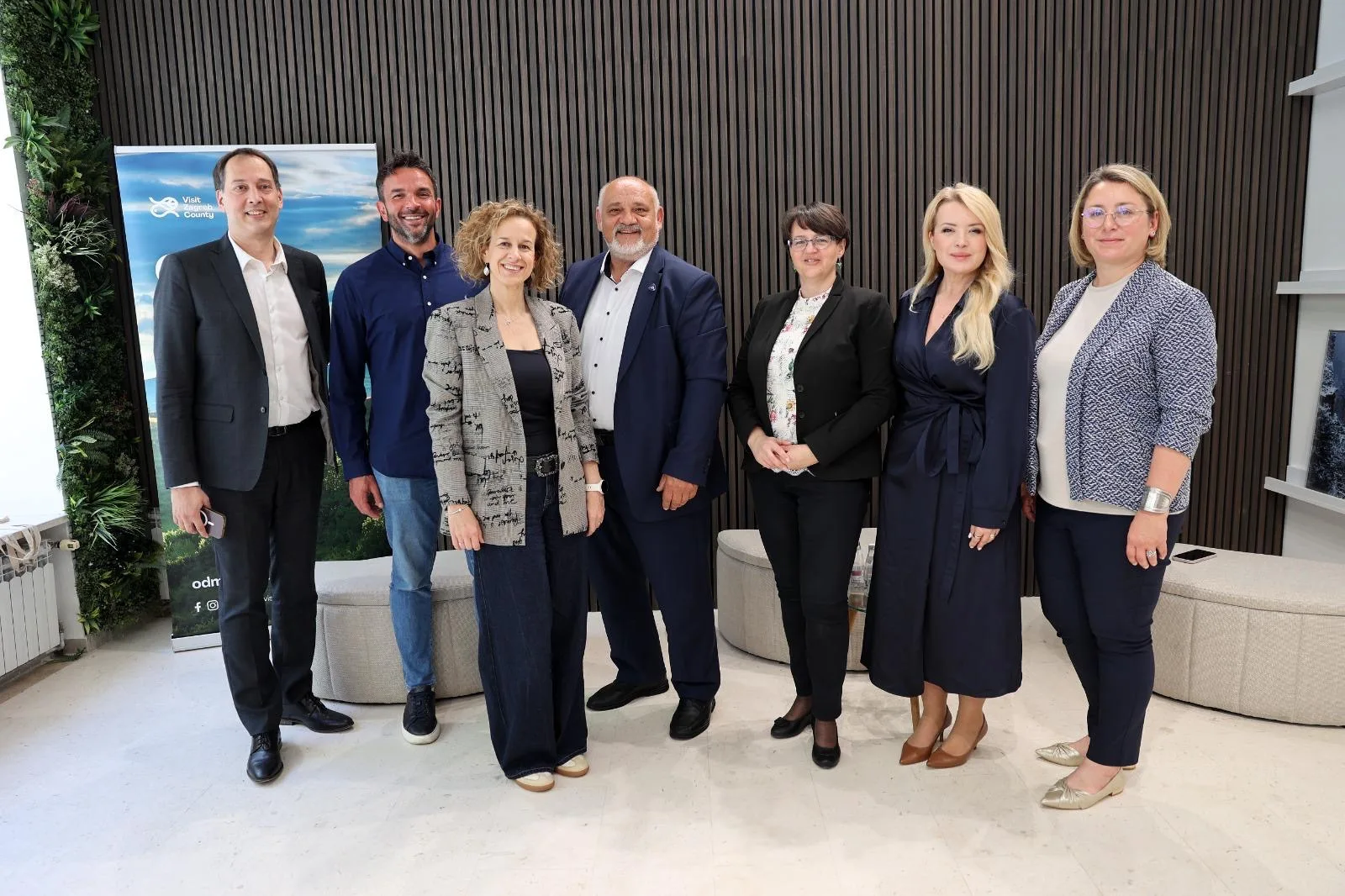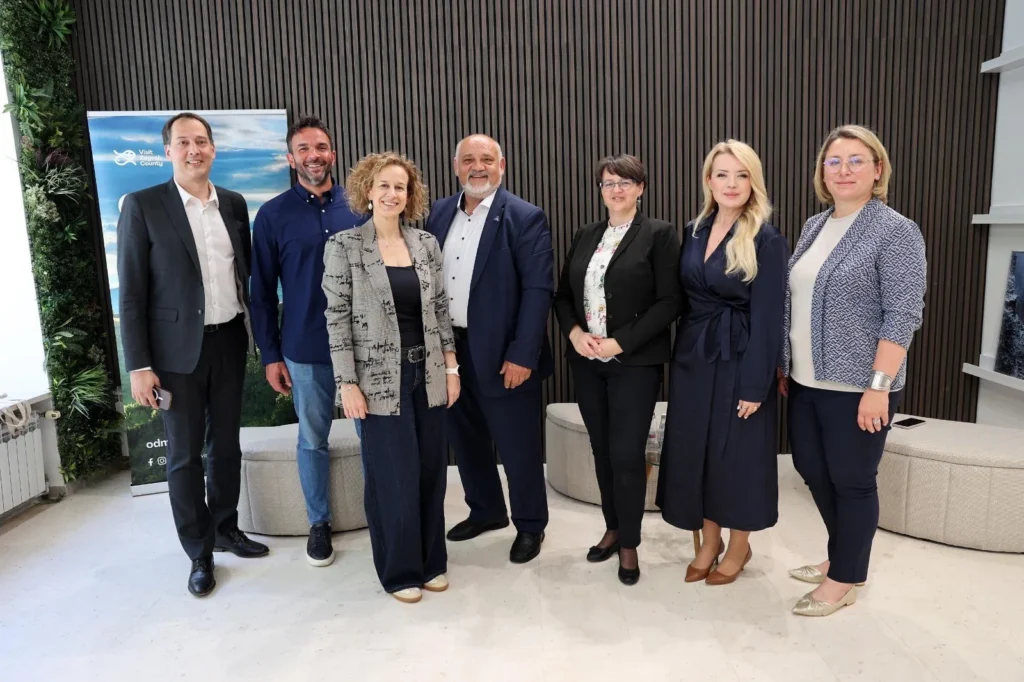
Tourism is one of the most important economic sectors, but it can also, if not managed carefully, have a significant negative impact on nature and local communities. In Zagreb County, sustainability has become a key element in shaping the future of destinations. Sustainable tourism is not only about reducing negative impacts; it is also an opportunity to develop a tourism model that respects the environment, strengthens local communities, and contributes to long-term development. These topics were at the heart of the panel discussion “Environment as Capital: How Conservation Becomes a Driver of Sustainable Tourism”, held on 4 May 2026 and organised by the Zagreb County Tourist Board. The event brought together representatives of local authorities, tourism professionals and environmental experts.
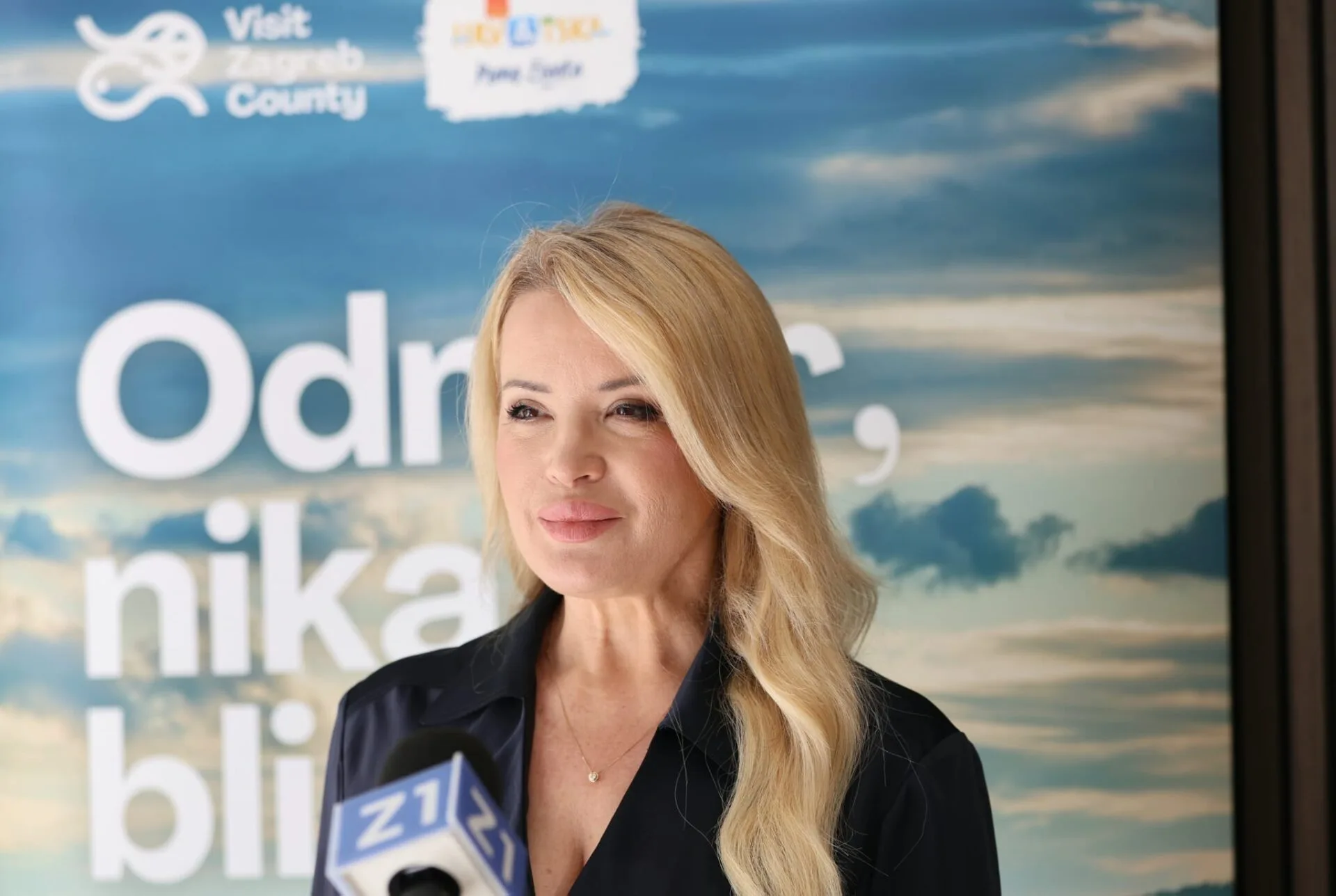
The panel opened with a fundamental question: “What kind of tourism do we want?” This set the stage for addressing the central challenge of aligning tourism development with environmental protection, as increasing visitor numbers inevitably place additional pressure on natural resources. Ivana Alilović, Director of the Zagreb County Tourist Board, laid the foundation for the discussion by emphasising that sustainability is not merely a goal, but a system of responsibility shaping the entire tourism sector: “Destinations are not shop windows; they are, above all, systems of responsibility. At the Zagreb County Tourist Board, we have been building sustainability for the past six years as a destination management organisation—through our Management Plan extending to 2028, the Green Destinations Silver Award, and the Glasgow Declaration, which we were the first in Croatia to sign. Our role is not only to attract visitors but also to manage the impact tourism has on space, community, and quality of life. That is the difference between a destination that is marketed and one that is responsibly managed, with a clear commitment to its local environment and residents.”
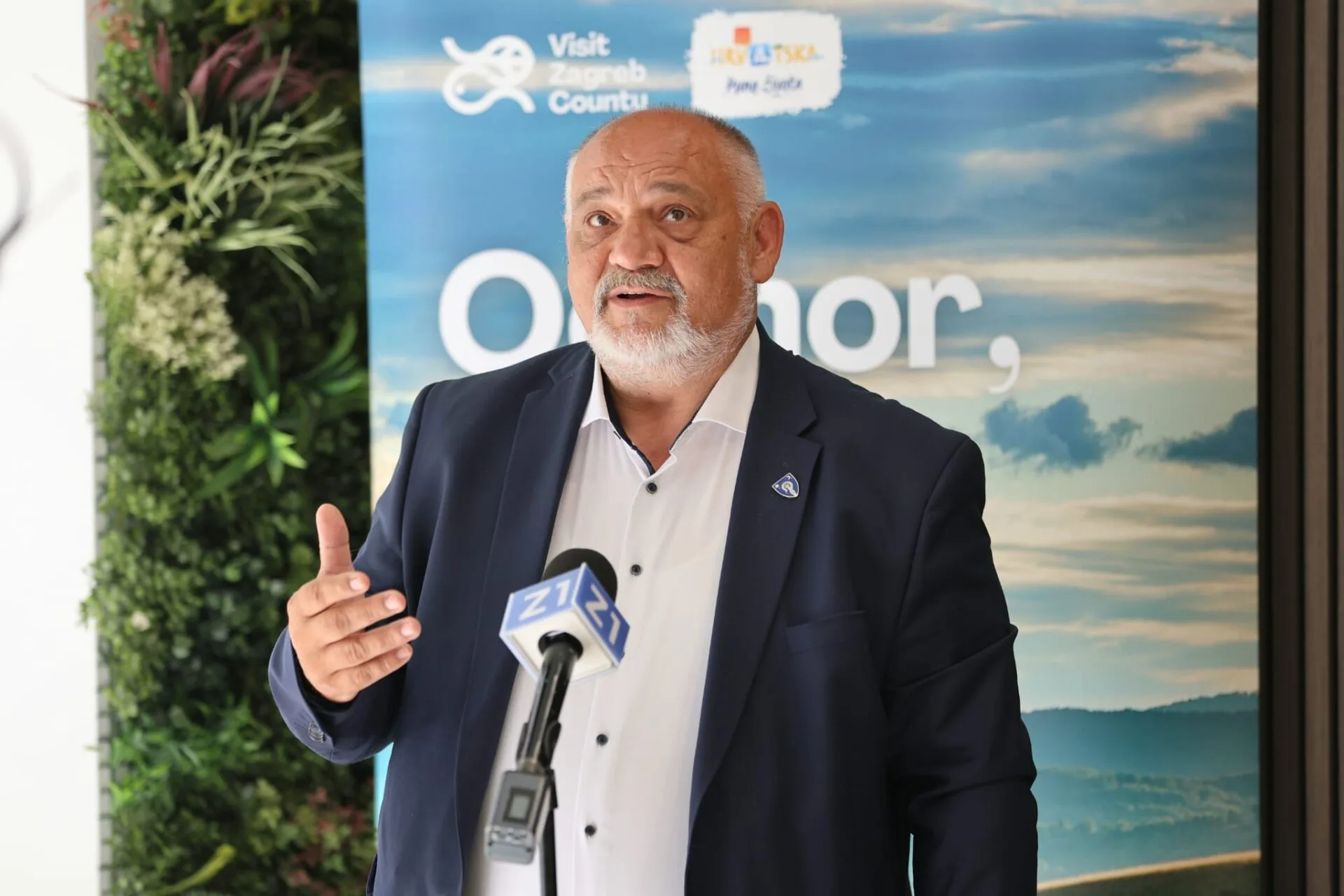
Nenad Panian, Mayor of Dugo Selo, highlighted the importance of the active role of local authorities in shaping tourism development in line with community needs, environmental protection and the preservation of local identity: “Local government is not merely a host to tourism—we are co-creators of the space in which tourism lives and evolves. Our responsibility is to ensure that tourism development goes hand in hand with the needs of our citizens, environmental protection and the preservation of our identity. Without genuine cooperation between local authorities, professionals and the community itself, sustainability remains just a word on paper—and Dugo Selo and Zagreb County deserve far more than that.”
Sustainable tourism expert Josip Pavlović pointed out that tourism can only be a true development opportunity if it simultaneously protects the environment and benefits the community: “Tourism in Zagreb County can be a development opportunity only if it protects the space, strengthens the local community and returns value to the destination instead of merely consuming it. Nature is not a cost of development—it is capital that must be preserved, restored and managed wisely. Therefore, the success of tourism should not be measured solely by arrivals and overnight stays, but also by residents' quality of life, the state of the environment, and the actual pressure on infrastructure. If tourism brings waste, noise, congestion and overdevelopment, while the local community sees no benefit, then it is not sustainable development, but short-term exploitation of space.”
Petra Boić Petrač from WWF Adria added a key perspective on environmental responsibility, stressing the importance of recognising and respecting ecological limits: “A destination must clearly understand and respect the ecological limits of its environment, while establishing a direct link between tourism and investment in nature conservation. The local community should not be seen merely as a stakeholder but as a guardian of the space, because without people with a vested interest in protecting nature, there can be no long-term conservation. In short, tourism can be a powerful ally in protecting nature, but only if we accept that nature has limits and that success is not measured solely by arrivals, but by the condition of the environment we leave behind.”
The panel also highlighted the importance of cooperation between local communities and tourism stakeholders. Gordana Mikulčić, representing the City of Velika Gorica, emphasised that the key to sustainable tourism lies in the active involvement of local authorities, professionals and the community. At the same time, Ana Gašparović, Director of the Ivanić-Grad Tourist Board, shared her experience in integrating unique local resources—such as Naftalan—into the tourism offer, underlining the importance of preserving the identity of smaller destinations.
The discussion clearly demonstrated that sustainable tourism is not only about minimising negative impacts, but about creating long-term benefits for communities, the economy and the environment. All panel participants agreed on the necessity of developing tourism that respects natural resources, enhances the quality of life and contributes to preserving cultural identity. The Zagreb County Tourist Board will continue to align tourism development with environmental and social priorities, placing sustainability at the core of its future strategy and as a fundamental criterion for the continued growth of tourism.



 EN
EN  HR
HR  DE
DE