Light pollution is one form of environmental pollution that has attracted increasing attention from scientists and the general public in recent decades. According to an educational article by National Geographic on light pollution, this issue is closely linked to the development of urban areas and the growing use of artificial lighting. Although lighting is essential for everyday life, its irresponsible and excessive use leads to numerous negative consequences for people, wildlife, and the natural environment.
Definition and Characteristics of Light Pollution
As explained in the National Geographic article, light pollution refers to excessive, improper, or unnecessary illumination of spaces during nighttime. It is most commonly present in urban areas, where street lighting, roads, illuminated buildings, and advertising displays create constant sources of artificial light. As a result, the night sky loses its natural darkness, and stars and other celestial bodies become difficult or even impossible to see.
Impact on Human Health
Light pollution can negatively impact human health by disrupting the natural circadian rhythm. Humans are biologically adapted to the natural cycle of day and night, and exposure to artificial light at night can reduce melatonin production, a hormone essential for healthy sleep. The consequences may include sleep disturbances, fatigue, reduced concentration, and, in the long term, more serious health issues. In quieter parts of Zagreb County, particularly in smaller towns and rural areas, preserving nighttime peace and natural darkness significantly enhances residents’ quality of life and the experience of visitors seeking an escape from the hustle and bustle of urban environments.
A Sustainable Approach to Lighting
Reducing light pollution is possible through responsible and well-planned lighting design. This includes using lighting fixtures that direct light exclusively toward the ground, maintaining moderate light intensity, and adapting lighting to the actual needs of a given space. Such an approach not only protects the environment but also improves energy efficiency and helps preserve the area's visual identity.
Impact on Wildlife and Nature
Artificial lighting has a powerful impact on wildlife. Many animal species rely on natural darkness for orientation and survival. Migratory birds, for example, can lose their sense of direction due to intense urban lighting. These behavioural changes can disrupt natural balance and ecosystems. Zagreb County is rich in forests, agricultural land, and natural habitats that support numerous plant and animal species. Artificial lighting can affect nocturnal animals such as birds, bats, and insects, which depend on natural darkness for navigation and survival. Preserving the natural night is essential for maintaining ecosystem balance and protecting the authentic landscape that represents one of the county’s key values.
Impact on Astronomy
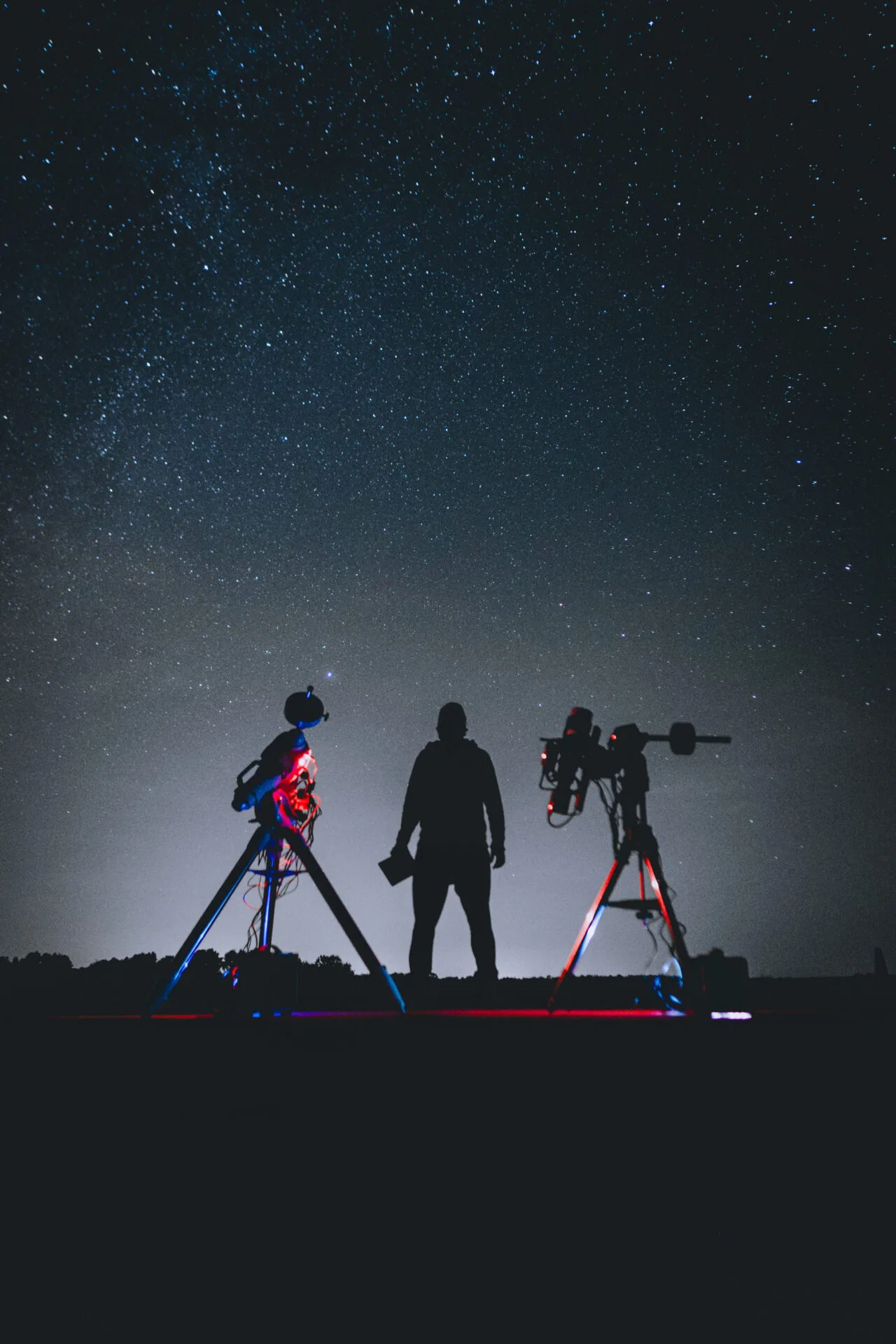
Light pollution poses a significant challenge for astronomy. Because of the glow of artificial light above cities, observing the night sky has become increasingly complex. As a result, astronomical research often must be conducted in remote and sparsely populated areas, making scientific work more demanding and less accessible.
The Night Sky as a Tourism Resource
In contemporary tourism, there is growing recognition of the importance of preserved environments and authentic experiences. Areas with low levels of light pollution offer opportunities for stargazing, nighttime walks, and immersive nature experiences—forms of tourism that are becoming increasingly sought after. The rural and natural areas of Zagreb County hold substantial potential for the development of sustainable tourism products focused on experiencing the night sky, silence, and the natural rhythm of life.
Opportunities to Reduce Light Pollution
Light pollution can be reduced through proper lighting use. This includes directing light only where it is needed, lowering light intensity, and using warmer light tones. Such measures not only protect the environment but also reduce energy consumption.
Light pollution represents a serious challenge for modern society. While artificial lighting brings many benefits, its improper use can have long-term negative consequences. By raising public awareness and promoting responsible lighting practices, it is possible to reduce harmful effects and preserve the natural darkness of the night.



 EN
EN  HR
HR  DE
DE