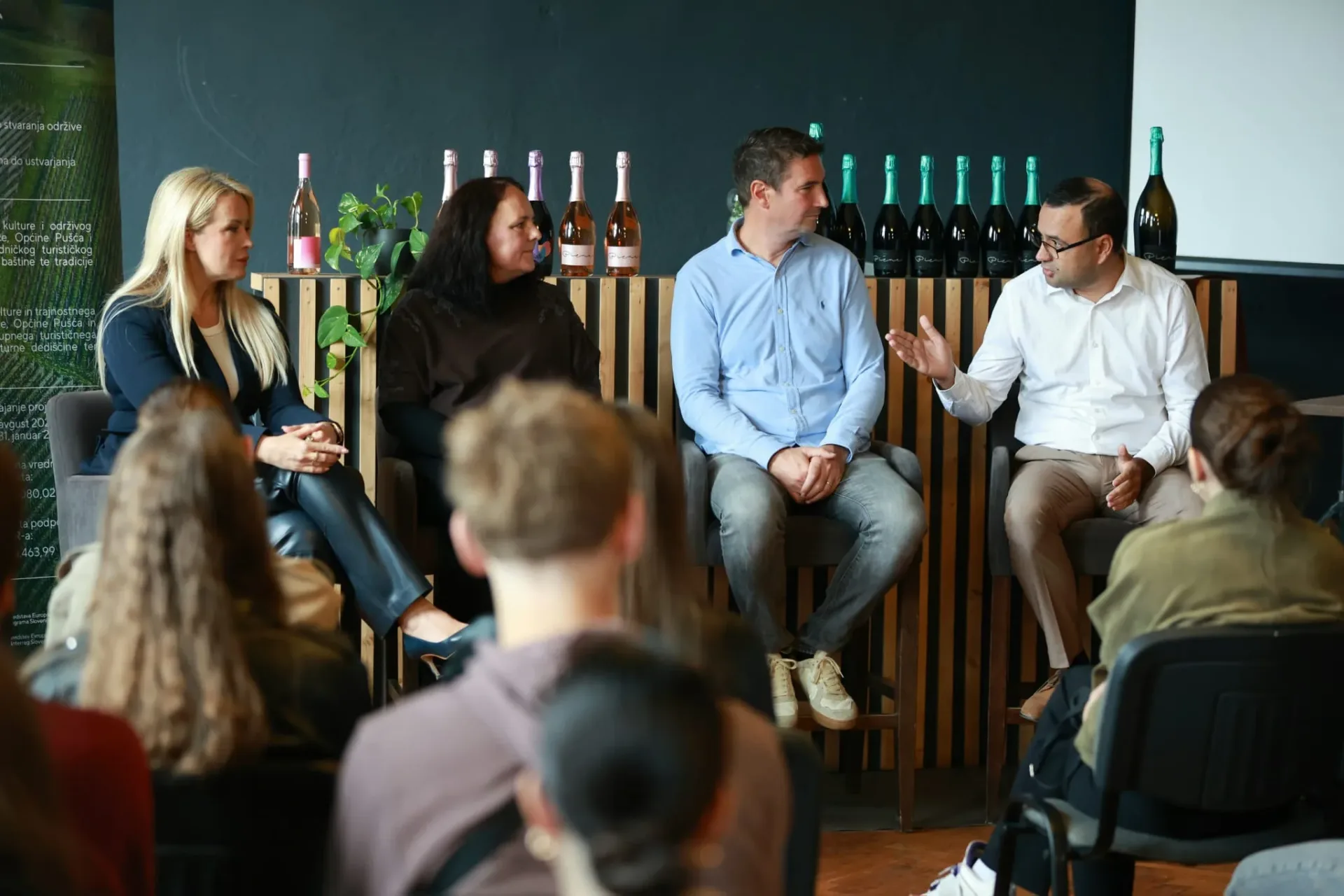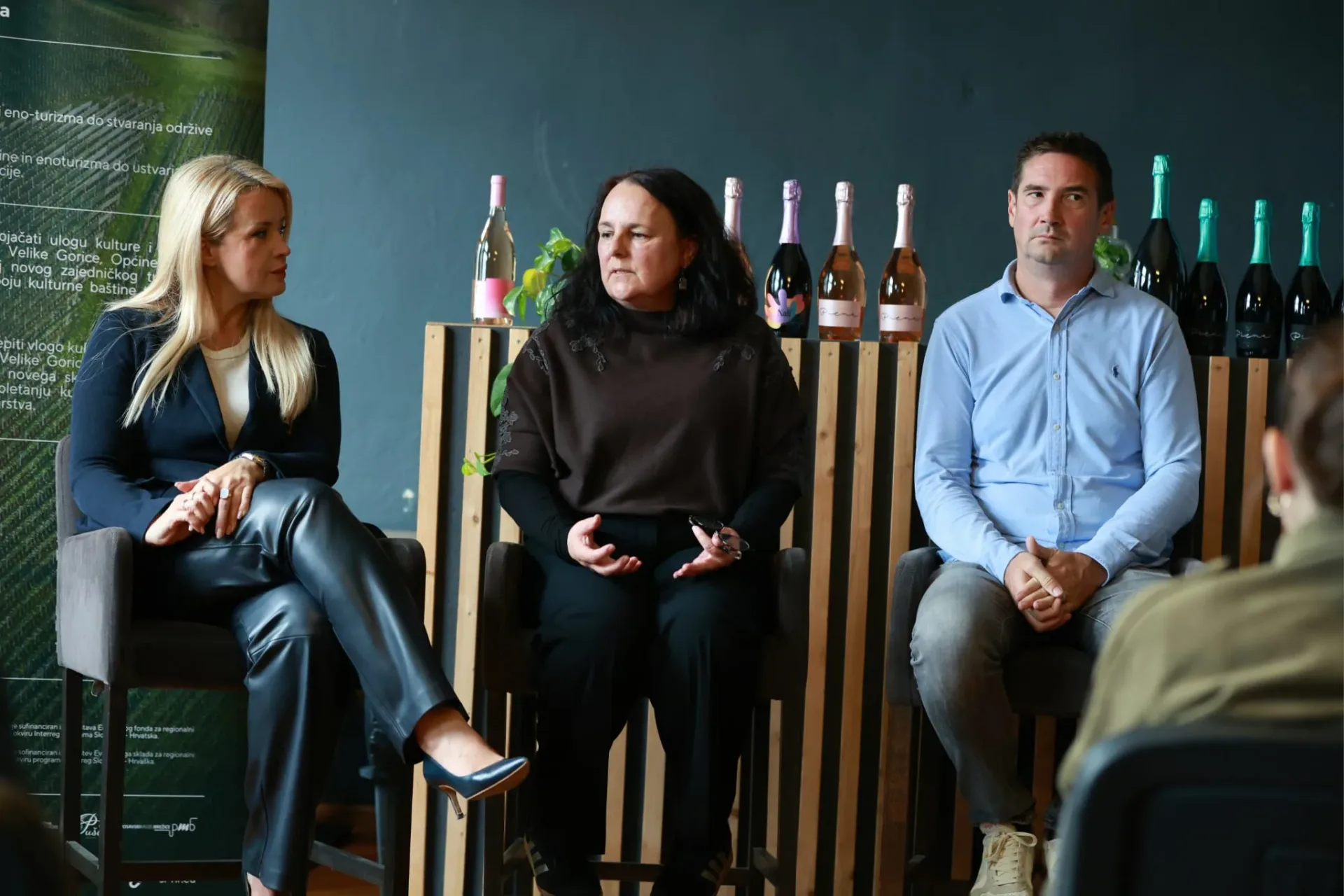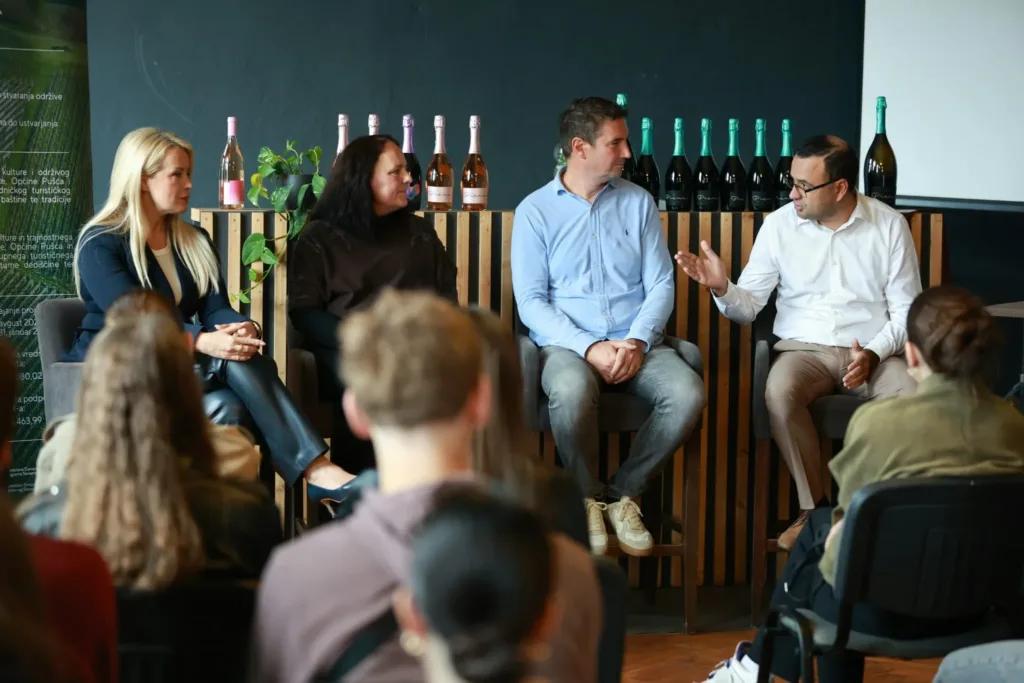
From today's visitors' expectations to the panellists' career paths, a discussion at Sveta Jana highlighted the diverse expertise needed to create a successful wine tourism product.
Wine may draw visitors to a destination, but what encourages them to stay longer and return goes far beyond the wine itself. The people, stories, landscapes, local heritage and experiences built around wine are becoming equally important elements of wine tourism. This was one of the key conclusions of the panel discussion “How Does Wine Become a Reason to Travel? – From Wine Heritage to a Tourism Product Through the InterWine Project””, held at Dobra Berba Winery in Sveta Jana and organised by the Zagreb County Tourist Board, the lead partner of the InterWine project..
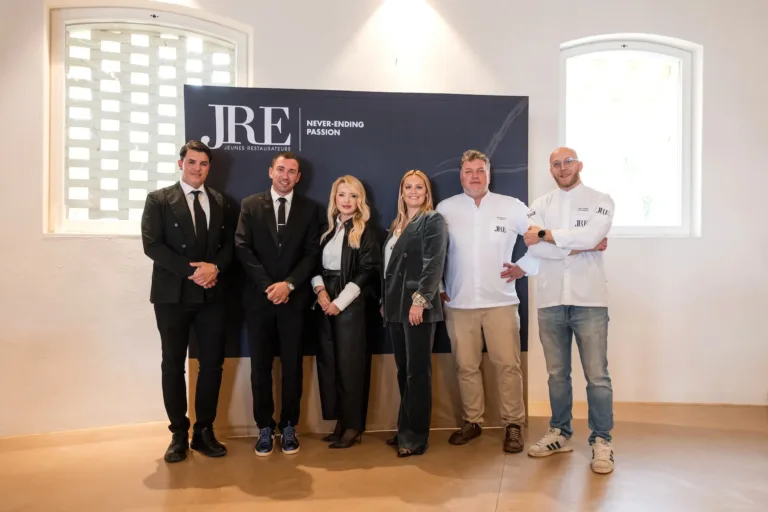
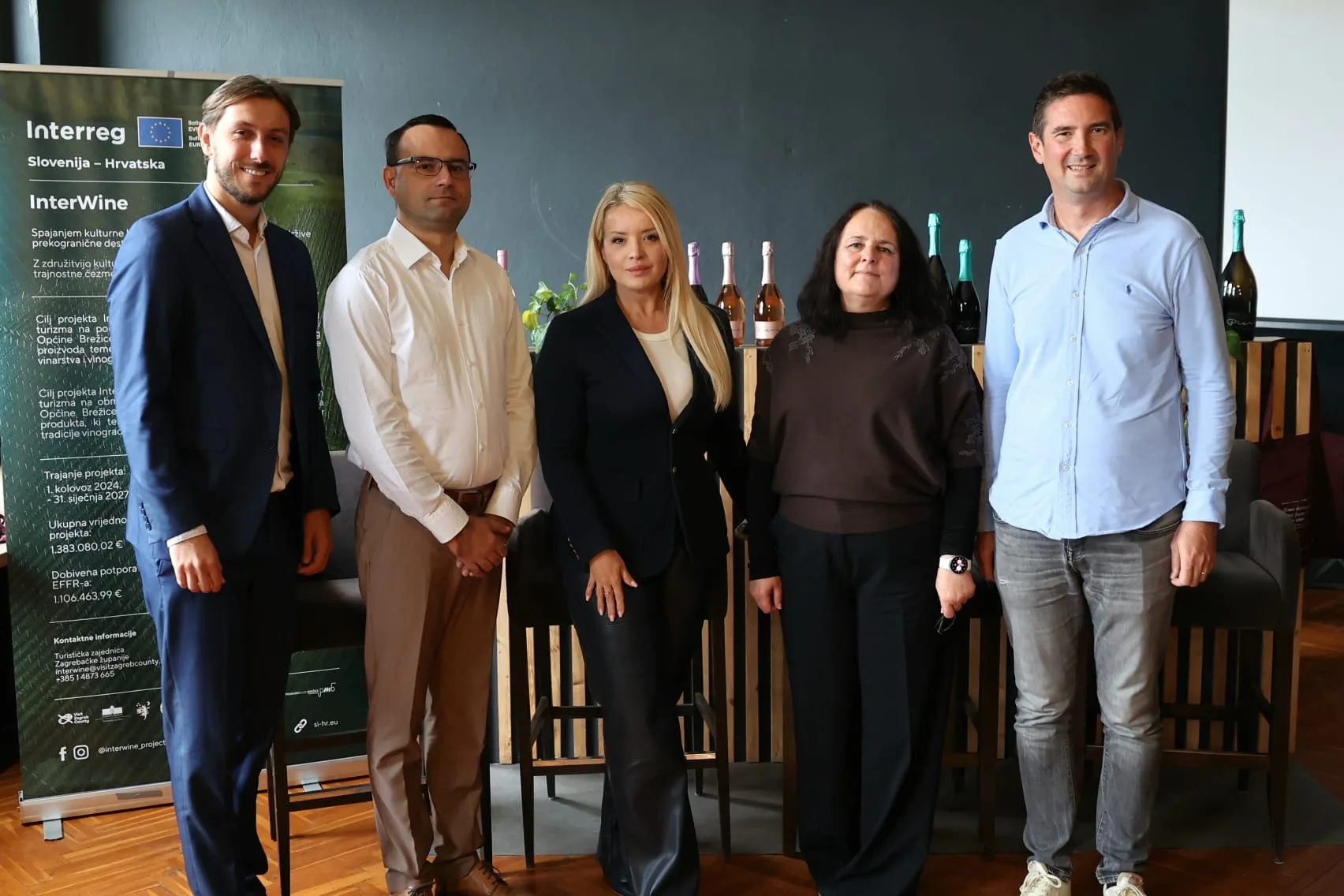
The panel brought together representatives of the tourism, wine, regional development and cultural sectors, alongside a generation of future professionals who may one day develop and present such tourism experiences to visitors. The discussion featured Ivana Alilović, Director of the Zagreb County Tourist Board; Saša Štula, owner of Dobra Berba Winery; Tomislav Komanović from the Zagreb County Development Agency; and Liljana Omerzu from the Posavje Museum Brežice, the Slovenian partner in the InterWine project..
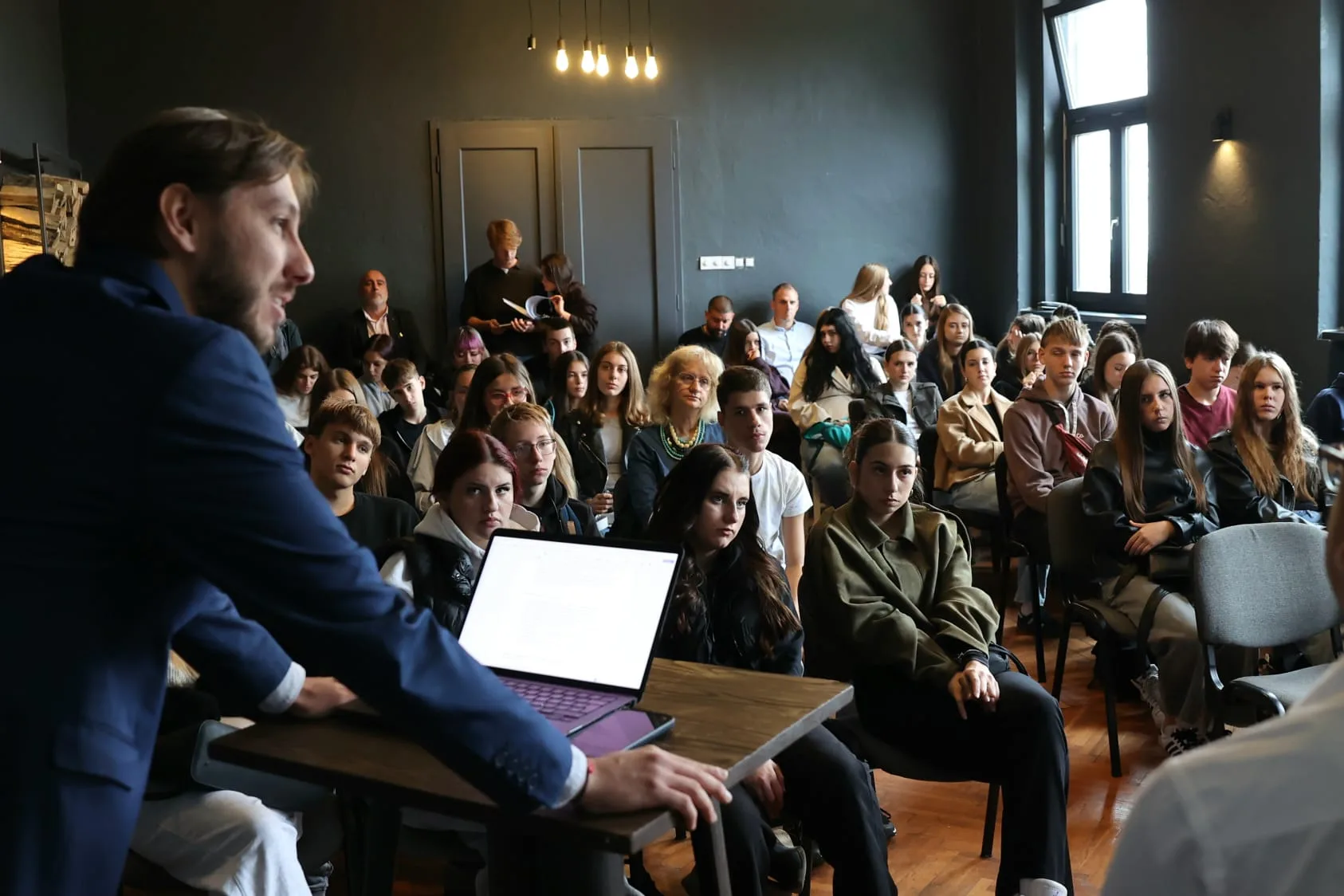
Special guests at the panel were first-year students from the Zagreb School of Hospitality and Tourism, who attended as part of an educational field trip. The event soon developed into an open discussion about how a tourism product is actually created, from the initial idea and investment to working with guests, promotion and designing experiences that inspire visitors to return.
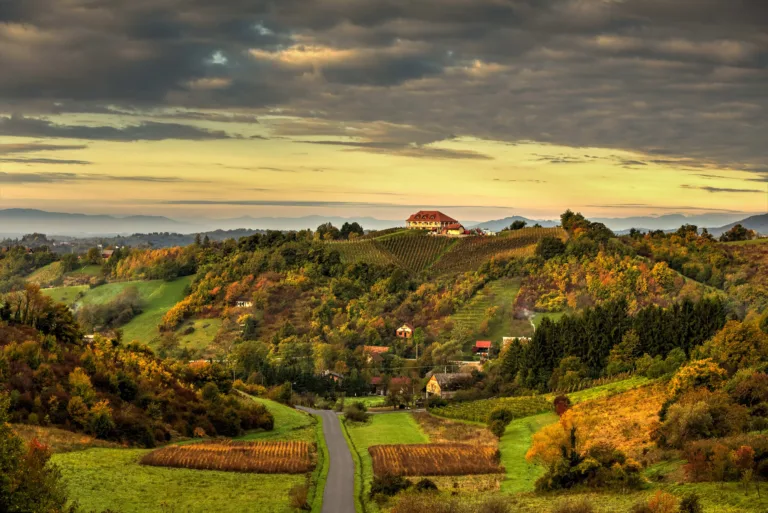
At the heart of the discussion was what today's visitors expect when they arrive in a wine destination. The panellists agreed that a traditional wine tasting is increasingly just the starting point. Visitors want to meet the people behind the products, understand the landscape in which the wine is made, sample local cuisine and experience a story that cannot simply be replicated elsewhere.
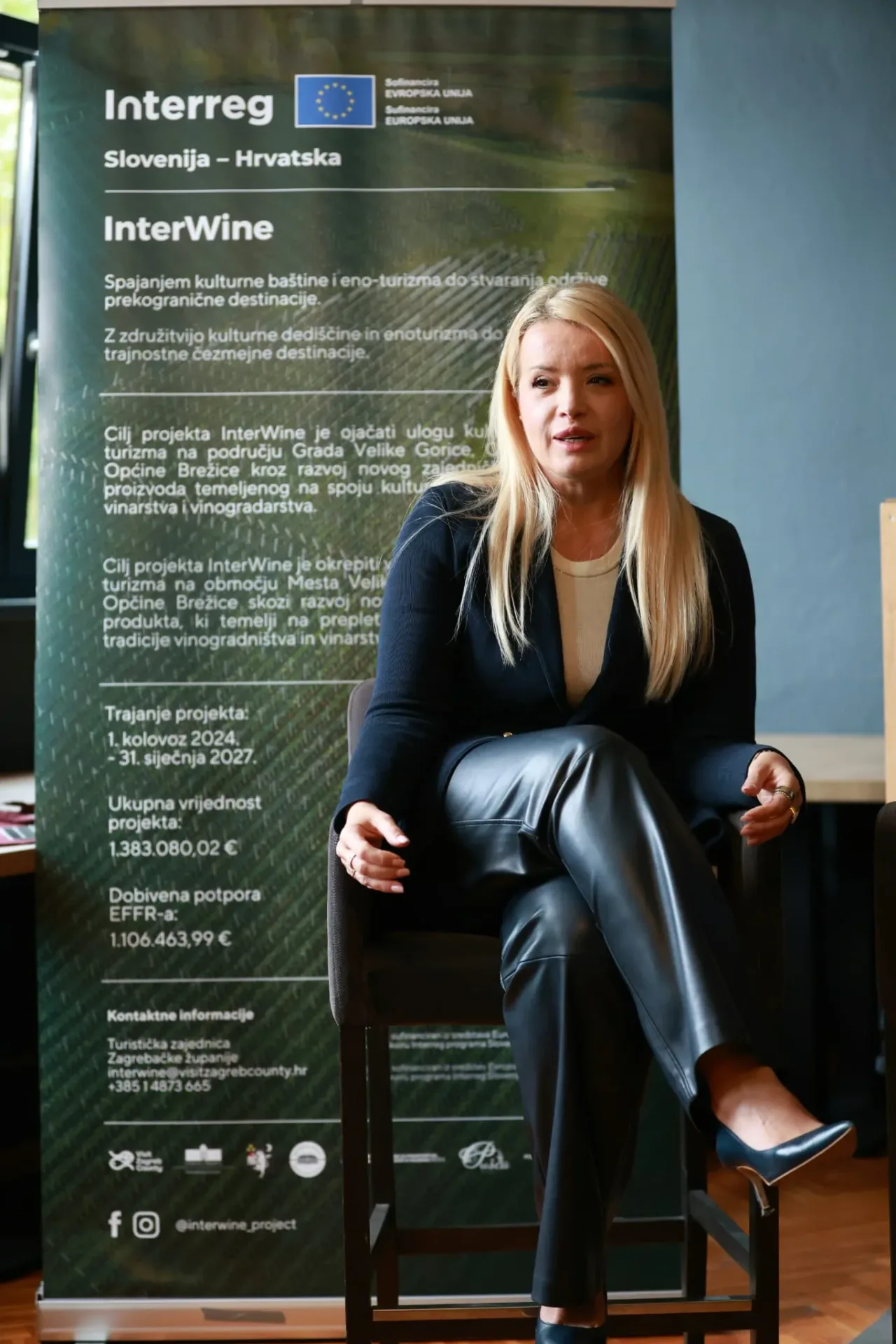
Ivana Alilović, Director of the Zagreb County Tourist Board, highlighted how the way destinations approach wine as a tourism product has evolved in recent years.
“Wine has great value in its own right, but in tourism, what matters is everything we can bring together around it: people, landscapes, gastronomy, heritage and the authentic stories of a place. Today's visitors do not simply want to taste wine. They want to understand where they are, who is welcoming them and what makes that particular place special. That is why, through Via Vino and the InterWine project, we aim to create experiences that connect different stakeholders and give visitors a reason to stay longer, discover more and return,” said Alilović.
Iz perspektive vinara, Saša Štula govorio je o tome kako vinarija mora istodobno ostati mjesto proizvodnje i biti spremna otvoriti vrata gostu. Upravo zato sve veću važnost imaju događanja, povezivanje vina s gastronomijom i drugim sadržajima te suradnje koje privlače i novu publiku. Zaključak je bio da razvoj turističkog dijela ne znači pretvaranje svake vinarije u klasičnu turističku atrakciju, nego pronalaženje modela koji odgovara njezinu karakteru i čuva autentičnost.
S razvojne strane Tomislav Komanović otvorio je pitanje što je potrebno da bi dobra ideja postala održiv turistički proizvod. Osim ulaganja i infrastrukture, naglasak je stavljen na ljude i suradnju, projekte koji mogu otvoriti prostor za razvoj, ali i potrebu da sadržaji nastave živjeti nakon završetka projektnog razdoblja.
Liljana Omerzu from the Posavje Museum Brežice brought a cross-border perspective to the discussion. Cultural heritage emerged as an important part of the wine tourism story, as wine reflects not only production but also a region's history, customs, architecture, and way of life. The InterWine project demonstrates how cooperation between Croatia and Slovenia can connect wine with cultural heritage and tourism experiences, giving visitors a reason to explore both sides of the border during a single trip.
One particularly engaging aspect of the event was the participation of students from the Zagreb School of Hospitality and Tourism. As first-year students, they were interested not only in wine tourism but also in the panellists' career paths: how they came to hold their current positions, what they had learned throughout their careers, and to what extent their professional journeys had followed a planned direction or been shaped by opportunities that arose along the way..
This part of the discussion highlighted the breadth of the tourism sector, which brings together entrepreneurship, communication, culture, regional development, production and hospitality. It also gave students valuable insight into the different career opportunities they might pursue in the future.
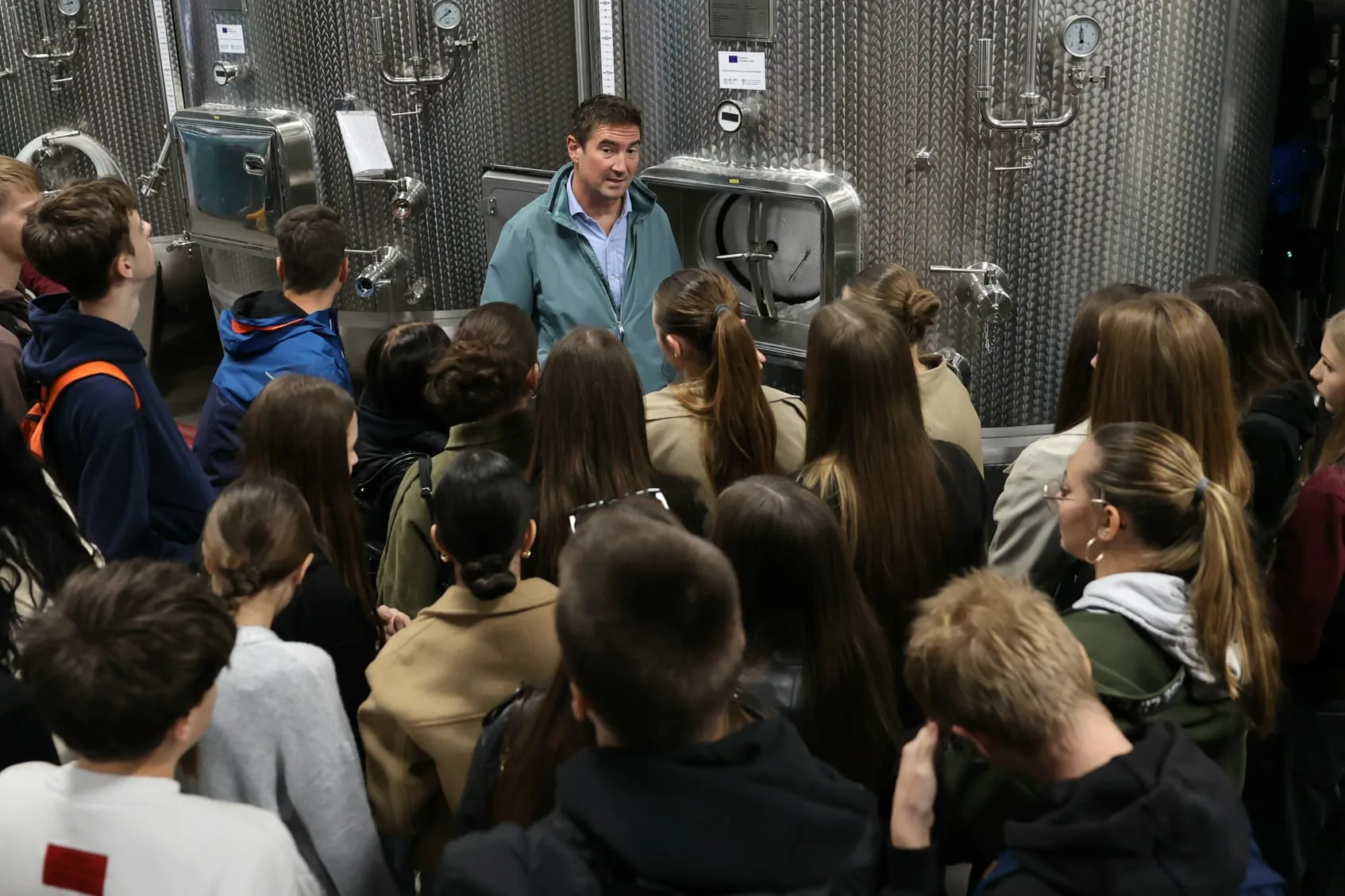
Following the panel, host Saša Štula took the students on a tour of Dobra Berba Winery and its production facilities, offering them a glimpse of the side of wine tourism that often remains behind the scenes for visitors. The discussion about developing a tourism product thus concluded where the entire wine story truly begins: in the production process and the everyday work of a winery.
The panel was held as part of InterWine, a cross-border project between Croatia and Slovenia that brings together winemaking, viticulture, cultural heritage and tourism. It aims to develop a joint tourism product and strengthen cooperation among stakeholders on both sides of the border. The Zagreb County Tourist Board is the project's lead partner.
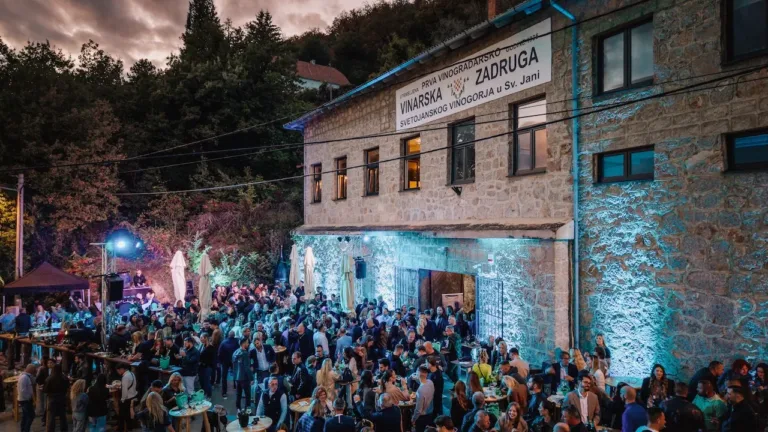
The panel at Dobra Berba Winery also served as an introduction to the Via Vino weekend in Sveta Jana. Due to adverse weather conditions, the festival programme, originally scheduled for Saturday, 10 October, has been rescheduled to Sunday, 11 October, from 12 noon to 10 p.m. Visitors can look forward to continuing their exploration of wine, people and place in a more relaxed festival atmosphere at Dobra Berba Winery.
The InterWine project is implemented under the Interreg Slovenia–Croatia Programme 2021–2027 and co-financed by the European Regional Development Fund.